
Modular or Carpenter-Made Furniture? How the Two Approaches Compare
By the Denova Creations design team · Updated 23 November 2026 · 4 min read
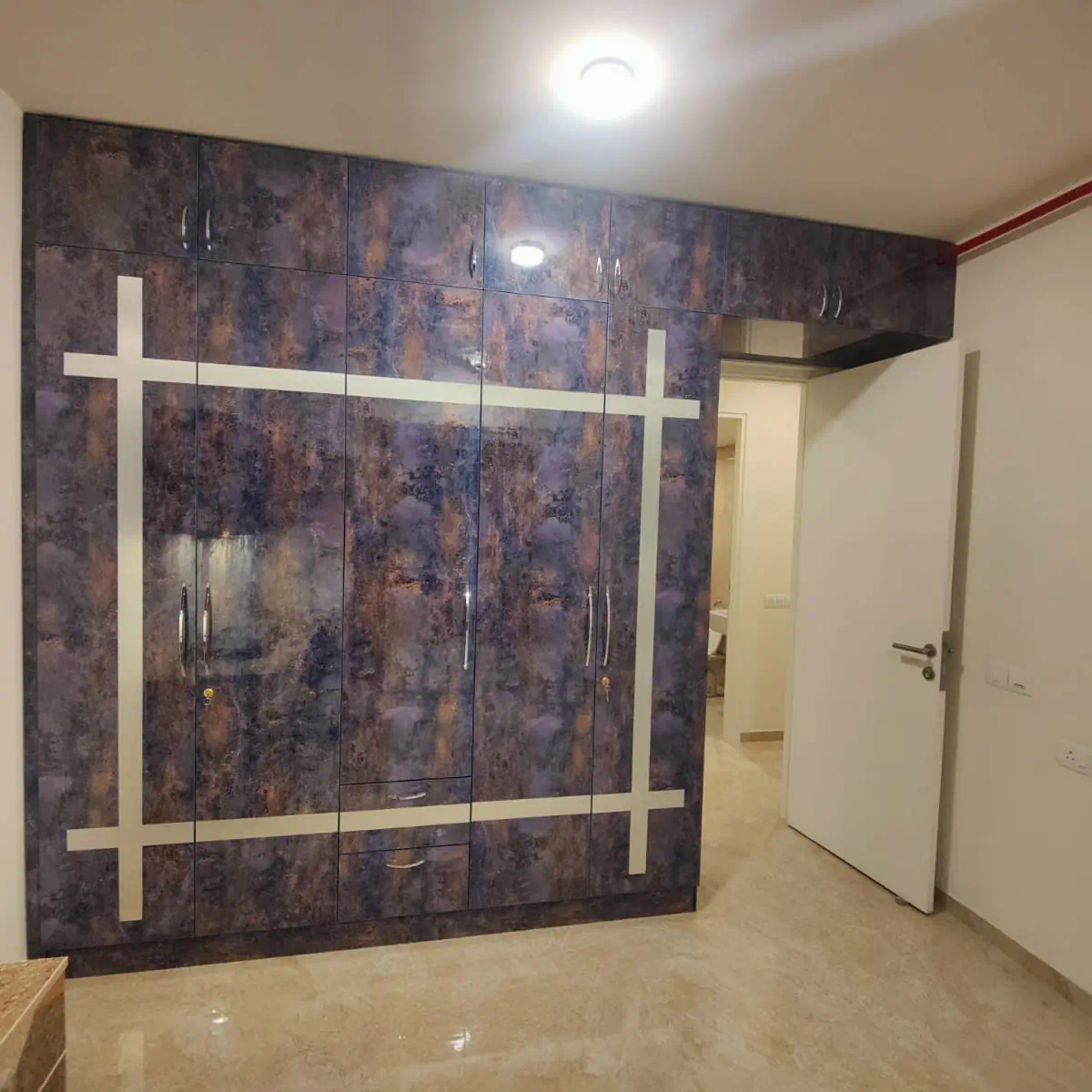
When you plan a kitchen or wardrobes, you will hear two broad approaches: modular furniture made in a factory and installed on site, or furniture built on site by carpenters. Both can produce good results, and many homes use a mix. Here is how they differ.
What "modular" actually means
Modular furniture is designed on a computer, with each cabinet broken down into standard panels. The panels are cut, edge-banded and drilled by machines in a factory, then delivered flat and assembled on site with fittings. Because machines do the cutting and edging, panels are very consistent and edges are well sealed.
Carpenter-made furniture is built in your home: boards are brought in, cut and assembled in the room, and laminate is pressed on by hand. A skilled carpenter can adapt to every odd corner and uneven wall as they go.
Side-by-side
Finish and consistency
Factory edge banding and machine-pressed laminate give cleaner edges and more uniform surfaces. Carpentry quality depends heavily on the individual craftsman: excellent from a good one, uneven from a rushed one.
Time and mess on site
Modular panels are made off-site, so the time spent working in your home is mostly installation – usually much shorter, with less sawdust and noise. That matters in apartments with strict working hours. Carpentry happens entirely on site and takes longer, with more dust.
Flexibility
Carpentry is very flexible: any size, any shape, adjustments on the spot. Modular systems are also highly customisable today, but changes after the panels are cut mean re-ordering, so measurements and decisions must be final before production.
Moving and repairs
Modular units can often be dismantled and reinstalled, which is useful for people who may move. Individual panels or shutters can be replaced. Carpenter-built units are usually fixed in place and harder to take apart without damage.
Cost
There is no simple rule. Costs depend far more on the board, finish and hardware than on the method. Compare quotes on the same specification – board grade and thickness, laminate or finish, hinge and channel brand – rather than on the label "modular" or "carpentry".
Where each approach shines
- Kitchens: modular is usually the stronger choice. Precise edges, sealed panels and standard modules suit appliances, drawers and wet areas.
- Wardrobes: both work well. Modular for clean, consistent shutters; carpentry where walls are very uneven or the space is unusual.
- Odd spaces: under a staircase, around a column, angled walls in older houses – a carpenter's on-site adjustments are hard to beat.
- Feature pieces: wall panelling, custom display units and pooja units are often a mix – factory-made panels finished on site.
What a mixed approach looks like
In practice, many good projects combine the two. The kitchen and main wardrobes are produced as factory-made modules for precise, sealed panels. Pieces that must follow the room exactly – wall panelling around a column, a seat built into a bay window, a pooja unit in an awkward niche – are fitted and finished on site. The two meet in the details: the same laminates and edge colours are used throughout so the home looks consistent.
Whichever method is used, the site must be ready before installation. Walls should be plastered and dry, floors finished, electrical points in place and the first coat of paint done. Installing furniture into a wet or unfinished room causes problems with either approach.
How long each takes
Timelines depend on scope, but the pattern is consistent. With modular furniture, most of the time is in design approval and factory production, and the work inside your home is comparatively short. With carpentry, the time is mostly on site, because cutting, assembly and laminating all happen there. If your association limits working hours or you are living in the home during the work, shorter on-site time can matter a great deal.
Questions to ask either way
- What board, grade and thickness are used for the carcass, shutters and backs?
- Is edge banding machine-applied, and on which edges?
- Which brand of hinges, channels and fittings is quoted?
- Who takes final measurements, and when? (For modular, this should be after civil and electrical work.)
- How long is the work on site, and how will the site be protected and cleaned?
- What happens if a panel is damaged or measured wrong?
The method matters less than the specification and the people doing the work. A clear, itemised quote is the best protection whichever way you go.
Frequently asked questions
Is modular furniture better than carpenter-made furniture?
Not always. Modular gives more consistent finishes and less time and mess on site, which suits kitchens. Carpentry is more flexible for odd spaces. Compare both on the same materials and hardware.
Can modular furniture be moved to a new house?
Often, yes. Modular units can usually be dismantled and reinstalled, though some panels may need to be adjusted to fit a different space.